Welding helmets and POPAR welding tools: A guide for welders
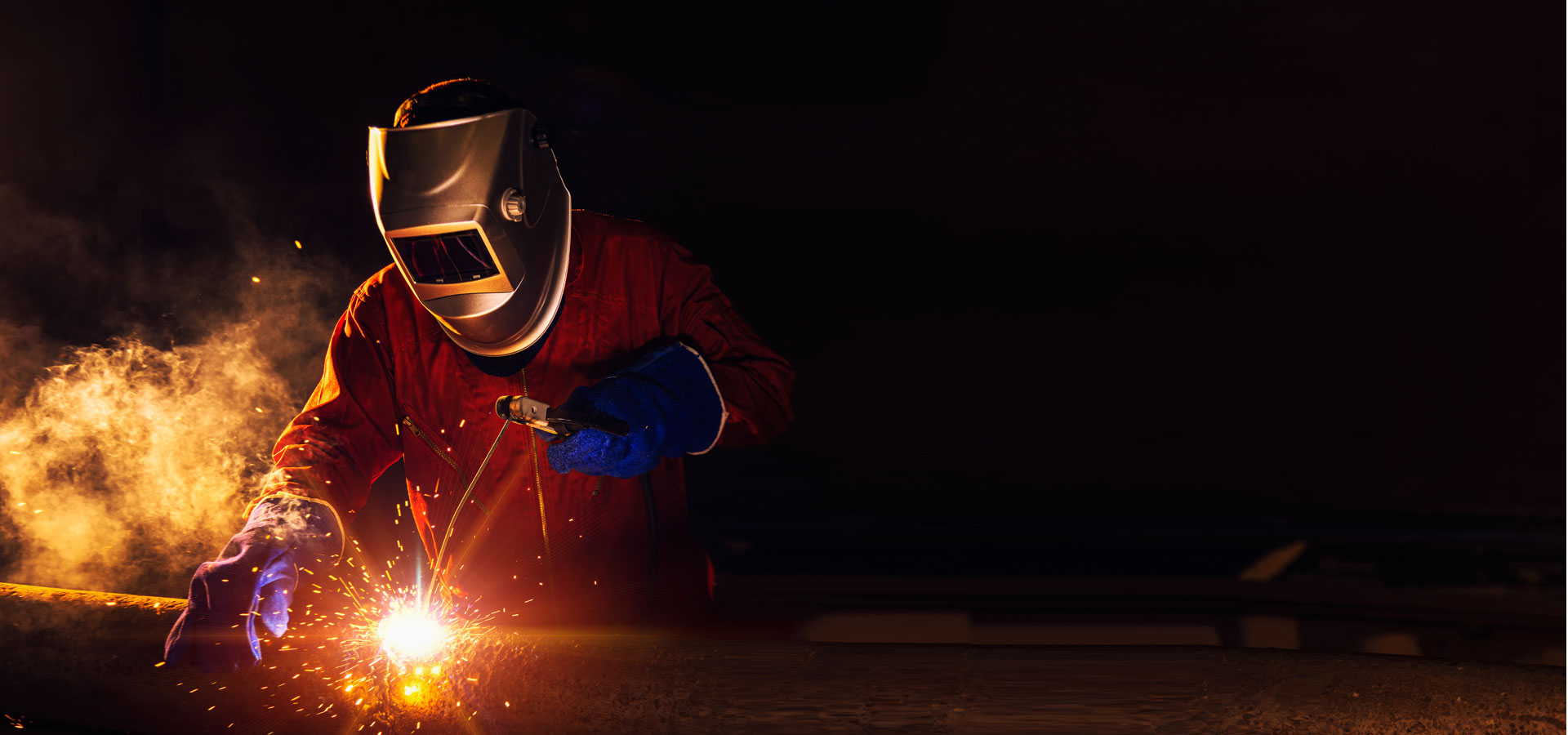
Welding is a process that combines art and precision. A welder must master technique while using the correct protective equipment—especially a welding helmet, which is crucial for protecting the eyes and face. In this article, you’ll learn how to choose the right helmet, what its technical features mean, and why it’s worth considering POPAR tools for welders. We’ll also cover additional welding accessories such as welding wire, lenses, and magnets.
What does optical quality of ADF filters mean?
Auto-darkening helmets (ADF) use filters that automatically darken in the presence of the welding arc. When choosing a helmet, it’s important to understand the markings on it:
- The EN 379 standard defines four ratings—for example “1/1/1/1”—representing: optical class, diffused light, uniformity of darkening, and angular dependence. A rating of 1 means the best optical quality with minimal distortion when viewing through the lens.
- A lower rating can result in a less clear image or uneven darkening, which can make monitoring the welding arc harder.
Another important number is the shade level, usually measured using the DIN system:
- A designation like “DIN 9–13” means the helmet supports a range of darkening levels.
- Recommended shade values depend on the welding process and current strength—for example, MIG welding often uses DIN 10–13, while lower currents may require a lower DIN level.
- Choosing the right shade is vital: too dark reduces visibility, too light won’t sufficiently protect against UV and IR radiation
Lenses with true color technology are increasingly popular - they improve natural colors and contrast when viewing the weld.
Compare helmet weight, comfort, and power source
When wearing a helmet for long hours, comfort, balance, and fit are extremely important:
- The headband and weight distribution affect neck strain and comfort. Poor balance can lead to fatigue after just a few hours of welding.
- Auto-darkening helmets differ in power supply: some use solar cells only, while others combine a solar cell with replaceable batteries.
- Solar-only helmets are simpler, but long periods without light can reduce their lifespan.
- Helmets with batteries are more flexible—you can replace the battery when it’s empty, extending the usable darkening time.
How to choose a welding helmet
When selecting a helmet, consider the following:
- Welding process: Determine which processes you use most often (e.g., MIG, TIG, MMA). Helmets with a DIN 9–13 range are suitable for general use.
- Current used: Higher welding currents require darker shade levels.
- Fit and feel: Try the helmet if possible—optical ratings and specs don’t always reflect comfort.
- Extra features: Look for helmets with grind mode, LED lights, replaceable visors, or interchangeable lenses.
POPAR welding tools: recommended and certified equipment
POPAR offers quality welding tools that combine safety, functionality, and robust construction. Here are some key products worth considering:
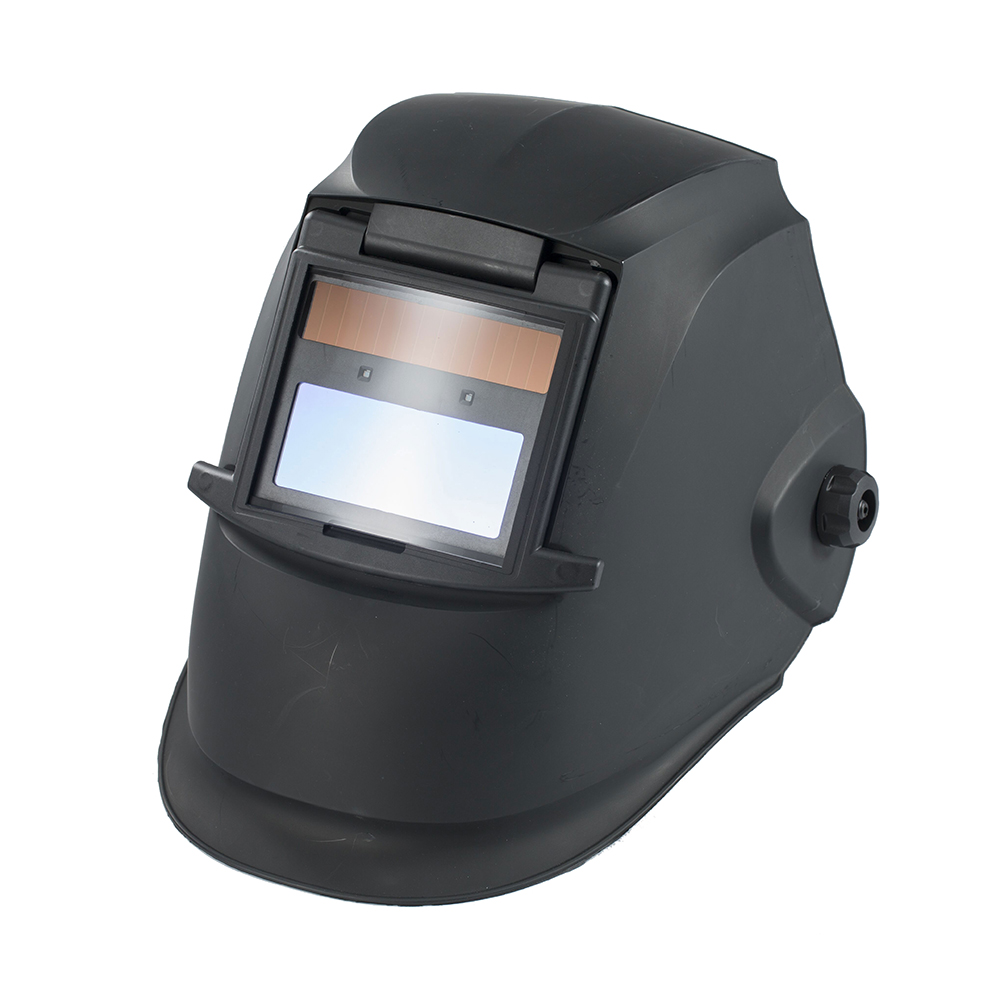 | Automatic (ADF) welding helmets with shade DIN 9–13 and DIN 4 grinding mode. They have fast darkening speed for safety right when the arc starts. |
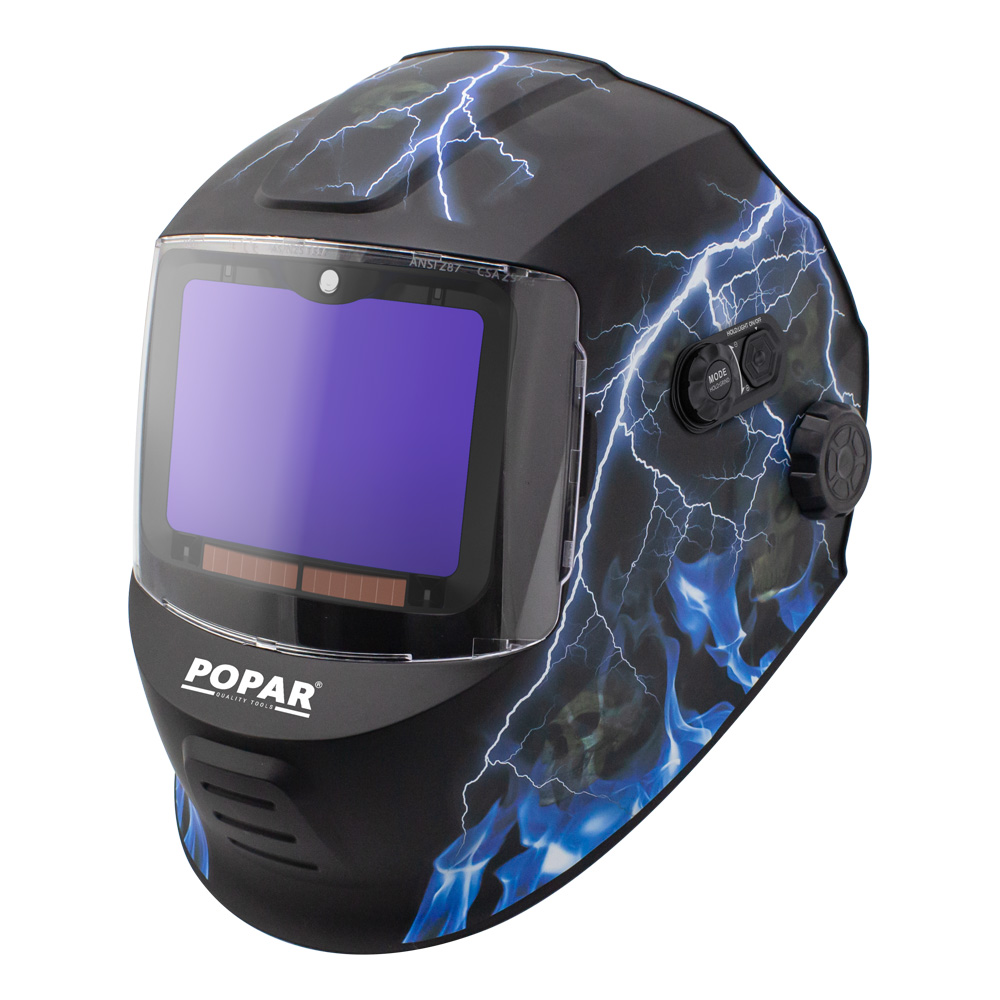 | Helmets with built-in LED lights for better visibility during non-welding tasks. They typically offer a viewing area of about 116×81 mm and constant UV/IR protection. |
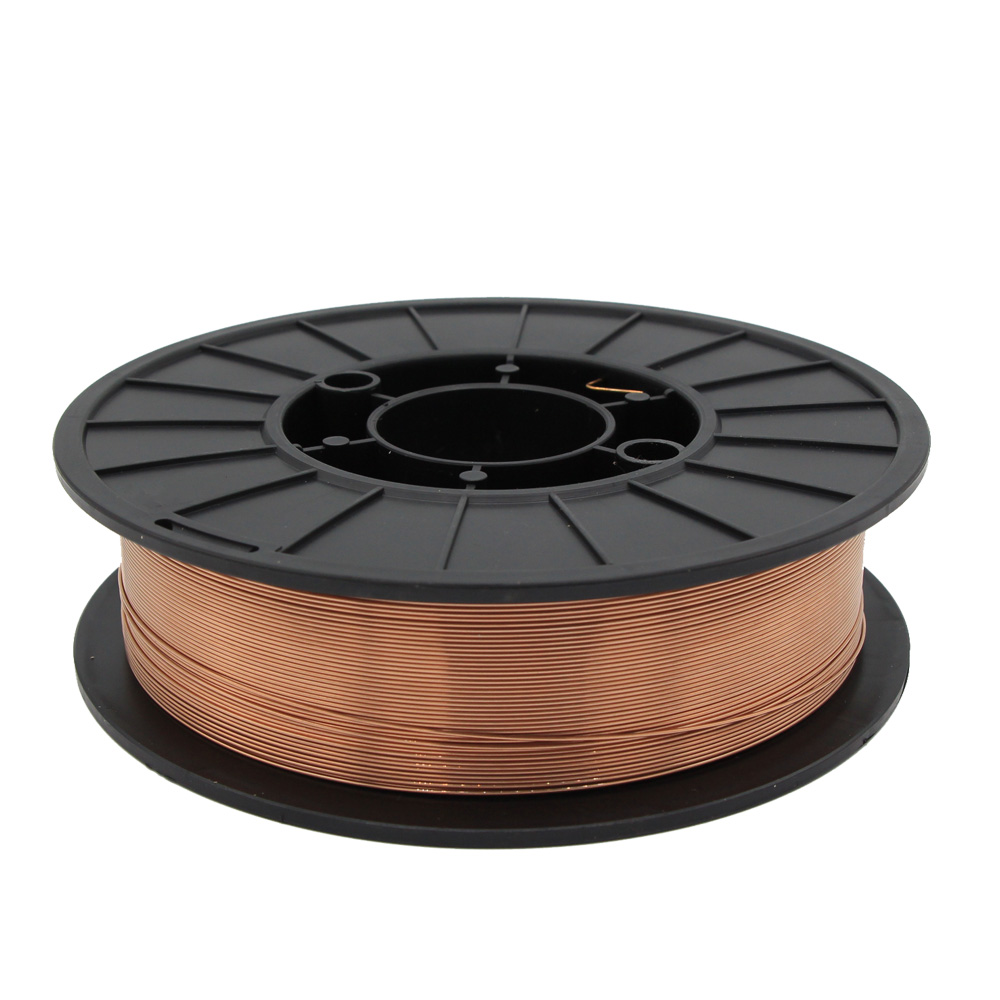 | High-quality welding wire for unalloyed and low-alloy steels - suitable for welding with CO₂ gas or Ar/CO₂ mixes. |
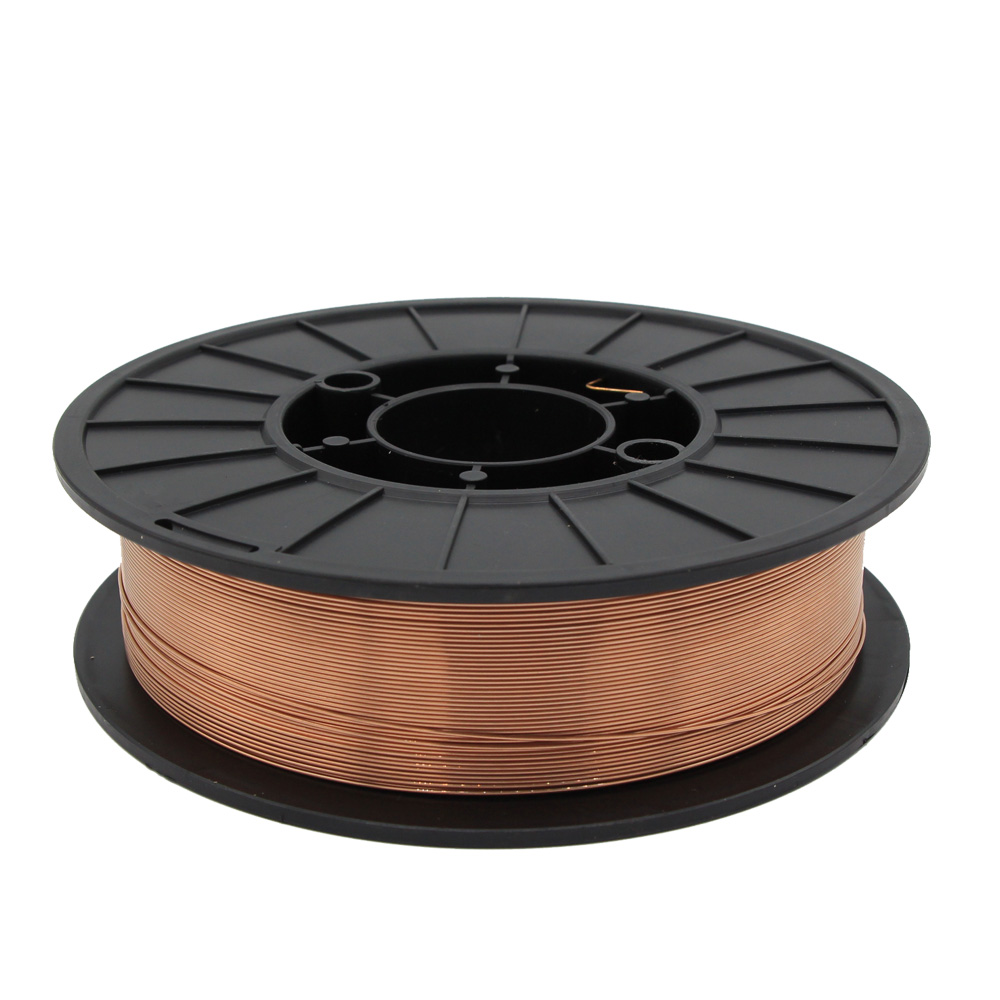 | Copper-coated welding wire SG3 - ideal for more demanding welding jobs using inert or active gases. |
Safety tips for using a welding helmet
For maximum safety and effectiveness, follow these guidelines:
- Protect your eyes: Always set the correct shade based on the welding type and current. Don’t weld with too dark a shade, as poor visibility can increase the risk of mistakes or injuries.
- Check the filter regularly: If the mask fails to darken or darkens improperly, it may indicate sensor issues.
- Use protective lenses: POPAR masks often include both outer and inner protective lenses. Replace them when scratched or damaged
- Store the helmet properly: When not in use, keep it in a dry place away from direct sunlight to extend the life of the cells and filters.i
Choosing the right welding helmet is key to safe, effective, and comfortable welding. Understanding optical ratings, correct shade levels, and the importance of ergonomics is essential for anyone serious about welding. POPAR’s range of automatic welding helmets and welding wires offers reliable, high-quality equipment suitable for both hobbyists and professional welders.
Safety tips for using a welding helmet
For maximum safety and effectiveness, follow these guidelines:
- Protect your eyes: Always set the correct shade based on the welding type and current. Don’t weld with too dark a shade, as poor visibility can increase the risk of mistakes or injuries.
- Check the filter regularly: If the mask fails to darken or darkens improperly, it may indicate sensor issues.
- Use protective lenses: POPAR masks often include both outer and inner protective lenses. Replace them when scratched or damaged
- Store the helmet properly: When not in use, keep it in a dry place away from direct sunlight to extend the life of the cells and filters.i
Choosing the right welding helmet is key to safe, effective, and comfortable welding. Understanding optical ratings, correct shade levels, and the importance of ergonomics is essential for anyone serious about welding. POPAR’s range of automatic welding helmets and welding wires offers reliable, high-quality equipment suitable for both hobbyists and professional welders.